


Text Number:Phone Text for Now
4.5187.00 Reviews
App Specs
- Version
- 1.14.1
- Updated On
- License
- Free
- Downloads
- 100,000+
- Developer
- Text Number Free text App
- Categories
- Communication
- Platform
- Android
Screenshots
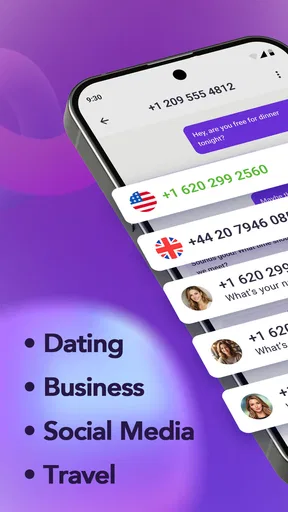
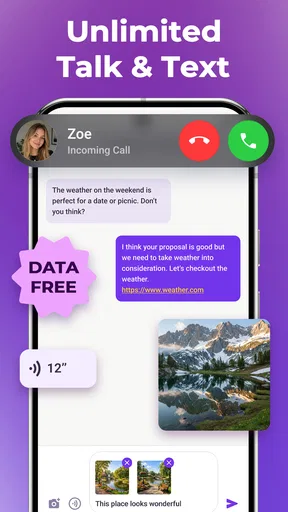
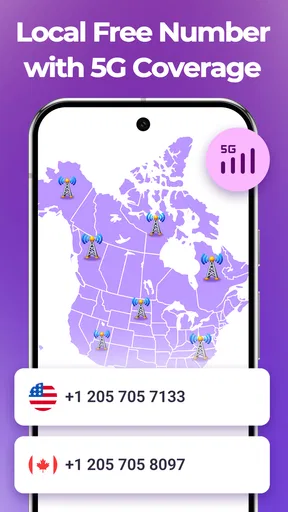
 Analysis by AppCompare
I’d treat Phone Text for Now as a separate line for conversations where I want some distance between a contact and my everyday number. That can be useful when a short project, a marketplace exchange, or an online signup makes sharing my main number feel unnecessary. The important distinction is that a second number is a boundary, not a guarantee of anonymity: I’d still avoid sending sensitive details or assuming every service will accept it.
A sensible routine for a second line
My preferred approach is to decide what the number is for before I use it. If I’m arranging a sale, for example, I’d keep the conversation focused on pickup times and practical details, then stop using that line for the exchange once it’s no longer needed. For a project, I’d keep that project’s contacts together instead of mixing them with friends and family. A clear purpose makes a second line easier to manage and helps me notice when it has outlived its usefulness.
I’d also save the number somewhere I can find it while the conversation is active. If someone replies days later, it’s helpful to remember which line I gave them and why. That small habit matters more than juggling several numbers: the value comes from separating contexts, not from collecting lines. Before relying on a temporary number for an account I care about, I’d consider whether I might need it later for a password reset or an important follow-up.
What to check before depending on it
The app’s communication tools are the point, but I wouldn’t assume that a second number behaves exactly like my carrier line in every situation. A service may have its own rules for accepting numbers, and a contact may expect calls when I only intend to text. I’d confirm the particular task works before giving the number to several people or building a long-running account around it.
It’s also worth checking the app’s current options and costs before settling into a routine. The app is free to install, while in-app purchases range from $2.99 to $39.99 per item. I’d pay attention to what an option actually provides and whether it suits a short-term need; there’s little reason to spend on a second line if a one-off conversation can be handled another way.
Faster habits without overcomplicating things
For repeat use, I’d keep the workflow simple: choose a purpose, share the number only with the people involved, and review the conversation before moving on. If I’m handling separate projects, using a distinct line for each context can make replies easier to recognize, but only if I can keep track of them. More lines are not automatically better, especially when a missed message would cause trouble.
For a local sale, I might use the separate number to arrange a meeting, check the details in the conversation before leaving, and avoid putting my personal number in a public listing. That’s a practical privacy improvement, not a substitute for sensible safety steps. I’d still choose a public meeting place where appropriate and avoid sharing my home address or other personal information unnecessarily.
Worth Reading Before You Choose

EA SPORTS FC Mobile 26 Is a Bigger Football Game, but It Takes Time

Flipboard Shows What News Apps Must Do Beyond the Feed

Switching to Android Auto Means Rethinking Your Driving Routine

Google Calendar Makes a Crowded Week Easier to Manage

Ludo King Makes the Most of the Minutes Between Plans

Baby Panda World Brings Quick Play to Modern Phones, but Its Game Library Feels Busy
Where a second-number app may fall short
The usual alternative is to use the number already attached to my phone. That is simpler, familiar, and generally the better choice for people I know or services that need a dependable long-term contact. A second-number app makes more sense when separation is the priority, but it adds another place to check and another number to manage. If I need reliable continuity for work, banking, or account recovery, I’d favor a line I expect to keep and can access consistently.
I’d also be cautious about treating any temporary line as a secure vault. Keeping a personal number out of one conversation can reduce exposure, but it does not make the conversation private in every broader sense or guarantee that a recipient will not share the number. My useful rule is to share less, keep the purpose narrow, and avoid using a disposable contact for anything I cannot afford to lose access to.
These habits are especially useful for someone who regularly posts items for sale, coordinates short assignments, or wants a clearer boundary around casual online contacts. They are less compelling if I only need to send an occasional text, dislike checking more than one inbox, or need guaranteed acceptance for identity checks. In those cases, my regular line or a dedicated, stable work number is likely to be the less frustrating option.
For a real everyday example, imagine I’m selling a desk online. I can give the prospective buyer the second number, keep the exchange about availability and collection, and check messages before heading out. If the conversation turns into an ongoing business relationship, I can decide whether to move it to a more permanent contact method rather than letting a temporary arrangement become the default. That is the kind of small, repeatable boundary that makes this type of app worthwhile.
At a glance, the app is a free communication app from Text Number Free text App, with a 4.7 average from over 600 ratings and more than 50,000 installs. It is rated for Everyone, and version 1.6.1 supports devices running OS 9 or later. Those details make it easy to assess whether it fits a device and budget, but my decision would still come down to whether I genuinely need a separate line.
One question people often have is whether a second number is suitable for every signup. I wouldn’t count on that: services decide which numbers they accept, so I’d test the specific use before relying on it. Another is whether it replaces a regular phone plan; I’d think of it as an app-based communication option for a separate context, not automatically as a full substitute for my everyday line. And if I’m considering a purchase, I’d check the in-app option first rather than assuming every capability is included at no cost.
My verdict is practical rather than enthusiastic: Phone Text for Now is most appealing when I can name the boundary I want it to create and keep the number’s role straightforward. I’d use it for limited-purpose conversations, keep important accounts on a stable number, and review paid options before committing. If I needed a reliable lifelong contact or wanted one inbox for everything, I’d skip the extra line. Used selectively, though, it can make everyday sharing feel more deliberate.
Have you ever needed a phone number, but not your own? Maybe you wanted to sign up for a service without giving out your personal details, or perhaps you needed a temporary number for a short-term project. Enter Phone Text for Now, an app that’s got your back when you need a temporary phone number without the hassle.
Why Use Phone Text for Now?
So, what's the deal with Phone Text for Now? It’s pretty straightforward. This app provides you with a temporary phone number that you can use to send and receive text messages. Perfect for when you want to keep your personal number under wraps. Think of it as a burner phone, but without the need to actually buy a new device. Pretty neat, right?
Getting Started
First things first, downloading the app is a breeze. It’s available on both Android and iOS, so no worries about compatibility. Once installed, the setup is incredibly user-friendly. Just follow the on-screen instructions, and you’ll have a temporary number in no time.
Once you’re in, the interface is clean and intuitive. Everything is laid out in a way that just makes sense. You’ll see your temporary number prominently displayed, and all your text messages are neatly organized.
Features Galore
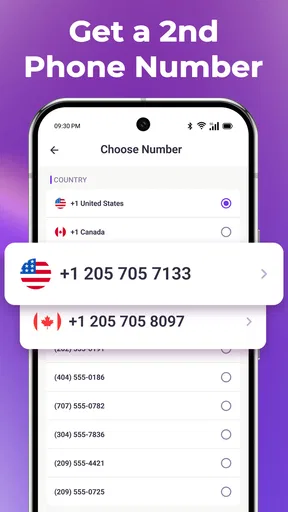
One of the biggest perks of Phone Text for Now is its flexibility. You can choose from a variety of numbers, and if you ever need a new one, switching is as simple as a few taps. The app also supports multiple numbers, which is perfect for managing different projects or tasks.
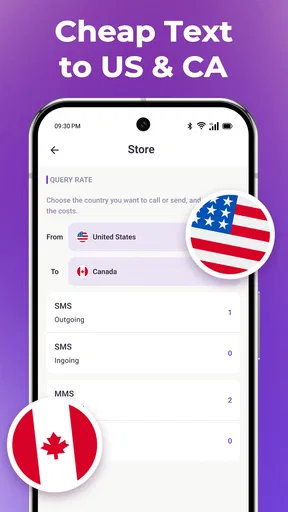
Now, let’s talk about the messaging feature. It’s straightforward and works just like your regular texting app. You can send and receive messages, and even attach images if needed. The app supports both SMS and MMS, so you’re covered for most messaging needs.
Privacy and Security
We all know how important privacy is these days, and Phone Text for Now takes this seriously. Your personal number stays hidden, and the app doesn’t store your data. So, you can use it without worrying about your information being leaked or misused.
Moreover, if you ever need to dispose of a number, it’s as easy as hitting delete. The app ensures that once a number is gone, it’s really gone, giving you peace of mind.
Practical Uses
Let’s be real, there are countless scenarios where this app comes in handy. From signing up for online services without spam to creating temporary accounts on social media platforms, the uses are endless. It’s a lifesaver for anyone who values their privacy.
Perhaps you’re traveling and need a local number for a short period, or maybe you’re selling something online and prefer not to share your personal contact details. Whatever the case, Phone Text for Now has you covered.
Final Thoughts
In a world where digital privacy is becoming increasingly important, having an app like Phone Text for Now in your toolkit is invaluable. It’s practical, easy to use, and offers a layer of privacy that’s hard to beat. So next time you need a temporary number, give it a whirl—you just might find it to be the perfect solution.
Pros
- Easy-to-navigate interface for beginners.
- Supports multiple international phone numbers.
- Offers free texting to numerous countries.
- Includes a call forwarding feature.
- No need for a physical SIM card.
Cons
- Limited free messaging compared to paid plans.
- Occasional delays in message delivery.
- Advertisements in the free version.
- Requires internet for all functions.
- Not all countries supported for calling.
FAQs for Text Number:Phone Text for Now
What features does Text Number: Phone Text for Now offer?
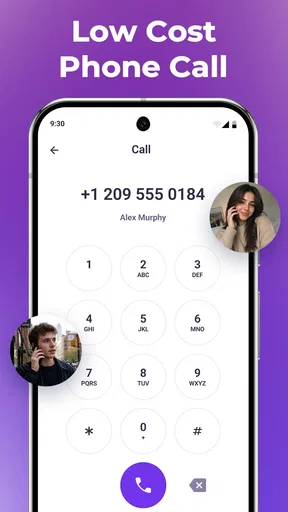
Text Number: Phone Text for Now provides users with a virtual phone number for texting and calling. This app is ideal for maintaining privacy or managing multiple contacts without using your personal number. It includes features like voicemail, call forwarding, and customizable ringtones, offering a comprehensive communication experience.
Is Text Number: Phone Text for Now free to use?
Text Number: Phone Text for Now offers both free and premium versions. The free version provides basic texting and calling capabilities, but to access advanced features like international calling and ad-free experience, a subscription or in-app purchases may be required. Prices vary based on the plan and features selected.
How secure is Text Number: Phone Text for Now?
The app emphasizes user privacy and security by using encryption for messages and calls. However, as with any app, it's important to review the privacy policy to understand data handling practices. Users are encouraged to enable two-factor authentication if available and regularly update the app for enhanced security.
Can I use Text Number: Phone Text for Now on multiple devices?
Yes, Text Number: Phone Text for Now supports usage across multiple devices. You can sync your messages and contacts by logging into your account from different devices. This feature is particularly useful for users who switch between a smartphone and a tablet or use multiple devices concurrently.
What are the limitations of using Text Number: Phone Text for Now?
While the app offers a range of features, it may not support emergency services calls or provide the same reliability as traditional phone numbers. Additionally, some users report occasional connectivity issues or delays in message delivery, which can be a drawback for those needing instant communication.


